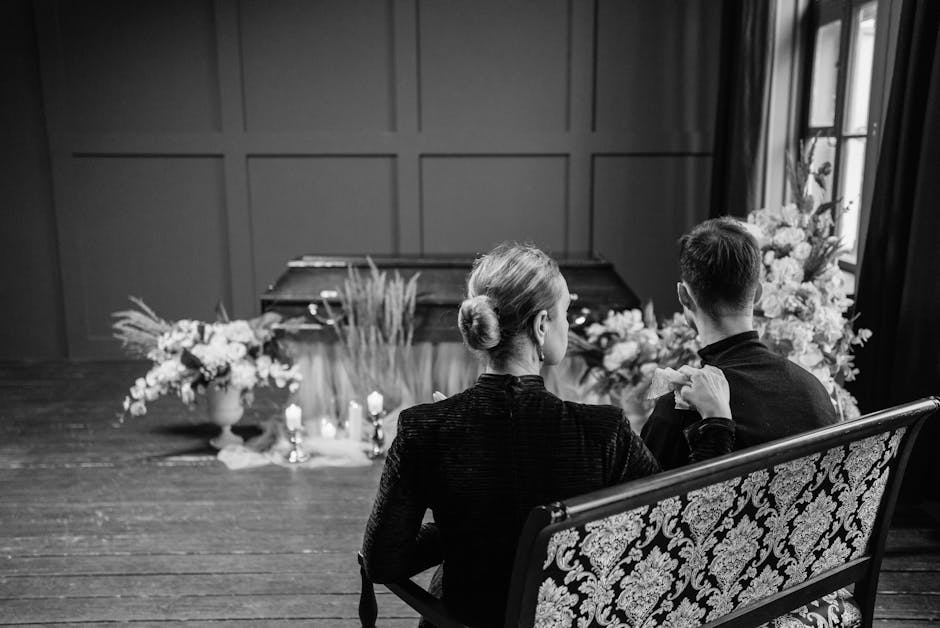
5 funeral flower myths UK families still believe
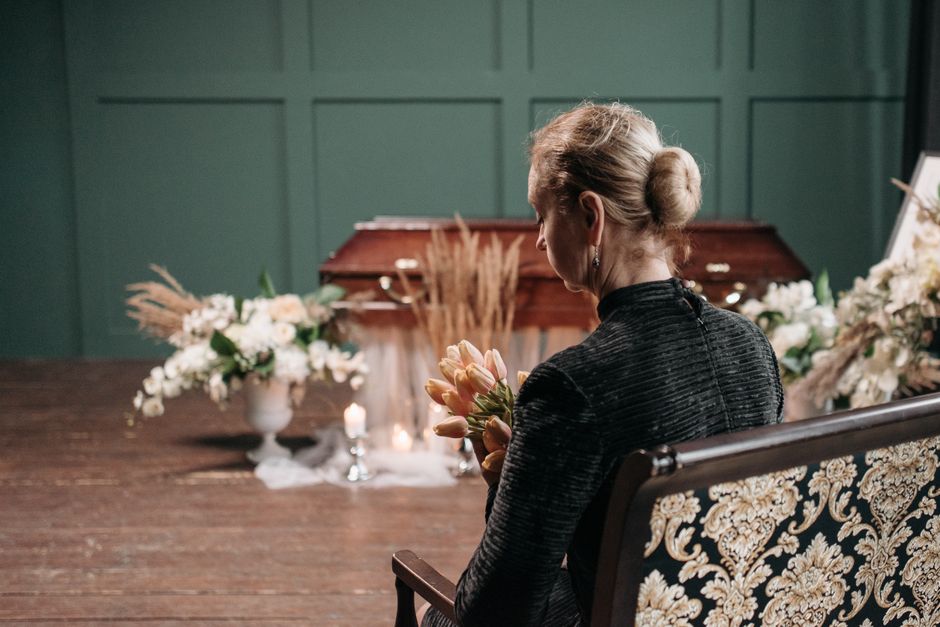
Funeral flowers can feel simple from the outside, but in real life they often sit right in the middle of grief, family expectations, culture, budget, and last-minute decisions. That is exactly why so many people in the UK still believe a few myths about them. Some are harmless. Some cause stress. And a few can lead to awkward mistakes at a time when nobody needs more of those.
If you are arranging flowers for a funeral, or helping a relative do it, this guide breaks down 5 funeral flower myths UK families still believe and shows what actually matters in practice. You will learn what is true, what is outdated, how funeral flower etiquette really works in the UK, and how to choose something thoughtful without overthinking every detail. Let's face it, during bereavement, even a small decision can feel much bigger than it should.
There is no single "correct" way to do funeral flowers. But there are sensible norms, useful expectations, and a few things that families often misunderstand. That is where this article helps.
- Why these myths matter
- How funeral flowers actually work
- Key benefits and practical advantages
- Who this is for
- Step-by-step guidance
- Expert tips
- Common mistakes to avoid
- Tools, resources and recommendations
- Law, compliance and best practice
- Options and comparison
- Real-world example
- Practical checklist
- Conclusion
- Frequently asked questions
Why 5 funeral flower myths UK families still believe Matters
Funeral flowers are not just decoration. They are part of how families express love, respect, memory, and sometimes cultural identity. Because the setting is emotional and often time-sensitive, myths spread quickly. One person says one thing, another repeats it, and before long the family is making choices based on hearsay rather than what is actually appropriate.
That matters for three reasons. First, it can create unnecessary expense. Second, it can cause tension between relatives who already have enough on their plate. Third, it can lead to arrangements that do not match the service, the venue, or the wishes of the person who has died. Nobody wants a "we probably should have checked that" moment on the morning of a funeral.
In the UK, funeral flower customs can vary by religion, region, family tradition, and the type of service. A crematorium service in Manchester may feel different from a church service in Kent, and both may differ again from a woodland burial or a simple direct cremation with a later memorial. The myth is that there is one universal rulebook. There really isn't.
Understanding the real picture helps families make calmer decisions. It also makes it easier to speak with a florist or funeral director in a clear, confident way. If you are also organising wider details, it can help to think about funeral flowers as one part of the overall plan rather than a standalone pressure point. For related practical planning, some families also look at broader arrangements such as funeral services and guidance when they want to keep everything coordinated.
Expert summary: The biggest value in understanding funeral flower myths is not "getting etiquette perfect". It is avoiding stress, reducing guesswork, and choosing flowers that genuinely fit the person, the service, and the family's wishes.
How 5 funeral flower myths UK families still believe Works
To understand the myths, it helps to understand how funeral flowers actually work in practice. In most UK funerals, flowers are chosen for one or more of these reasons: to sit on the coffin, to be placed around the service area, to express a personal message, or to be sent from friends and family who cannot attend. Simple enough, but the details vary.
Usually, the family closest to the deceased decides whether flowers are welcome and, if so, what style fits best. The funeral director or florist can then help with practical matters such as sizing, delivery timing, wording on ribbons or cards, and whether arrangements need to be suitable for a church, chapel, crematorium, or graveside. The timing can be tight. Sometimes flowers are ordered late because the family has only just agreed the details. Happens all the time.
The five myths we are talking about are not formal rules. They are common beliefs that sound plausible but do not always hold up. Some are based on old etiquette. Some come from social media misinformation. Some are just family folklore passed down by someone's auntie who "knows the proper way".
Here is the practical reality:
- Flowers are optional, not mandatory. They are a gesture, not a requirement.
- Appropriateness depends on context. The service type, the religion, and the family's wishes matter more than generic etiquette.
- Personal meaning often matters more than flower symbolism. A favourite bloom can be more meaningful than a traditional choice.
- Budget is a real factor. Thoughtful does not have to mean expensive.
- Communication avoids most problems. A quick check with the funeral director or close family clears up a surprising amount.
So when people ask how funeral flowers "work", the honest answer is: they work best when they reflect the person and the family, not when they are selected to satisfy a myth.
Myth 1: You must always send flowers to a funeral
This is probably the most widespread one. In reality, flowers are a traditional gesture, not an obligation. Some families prefer donations instead. Others want flowers only from immediate family. Some choose a very small arrangement and keep the rest minimal. That is all perfectly normal.
If the notice says "family flowers only", that usually means exactly that: friends and wider acquaintances should not send large arrangements unless invited to do so. A sympathy card, a donation, or a quiet message of support may be more appropriate. Practical, not cold.
Myth 2: White flowers are the only respectful choice
White lilies, roses, carnations, and chrysanthemums are all common funeral flowers, but they are not the only respectful option. Soft pastels, seasonal blooms, or flowers in the person's favourite colour can feel deeply personal and still entirely appropriate. In some families, a splash of colour says more than a uniform white arrangement ever could.
That said, the choice should fit the tone of the service. A bright, exuberant design may be lovely for a celebration of life, but less suitable for a very formal or traditional funeral. Context does the heavy lifting here.
Myth 3: Funeral flowers have to be expensive to be meaningful
No, they do not. A small, well-chosen arrangement can be more thoughtful than a large one picked in a rush. The meaning comes from the intention, the message, and the connection to the person who has died. A single posy with the right colours and a clear card message can do the job beautifully.
To be fair, prices vary depending on flowers, size, season, and delivery timing. But "more money" is not a reliable measure of respect. That is one myth families can safely let go of.
Myth 4: Certain flowers are always inappropriate at a funeral
People often hear that one flower is "wrong" or another is "bad luck". In practice, the idea of universally inappropriate funeral flowers is overstated. Some flowers carry cultural or religious associations, so they may not suit every service. But as a blanket rule, it is too simplistic.
For example, some families may avoid very scented flowers because they can be overwhelming in a small chapel or crematorium room. Others may prefer flowers that do not shed much pollen or petals. These are practical considerations, not moral ones. A florist with funeral experience will usually help you think through those details.
Myth 5: You should match the arrangement to tradition, not to the person
This one sounds respectful, but it often misses the point. The person's life matters. Their favourite garden flowers, football club colours, or seasonal choices can be far more meaningful than a generic "traditional" display. A keen gardener might have loved dahlias. Someone who adored spring might have preferred tulips and daffodils over the usual formal palette.
It is a funeral, yes. But it is also a farewell. The best flowers often tell a small truthful story about the person.
Key Benefits and Practical Advantages
Getting past these myths has real benefits. It does not just make the arrangement look nicer; it makes the whole process less stressful. When families understand what matters, decisions become easier and more personal. That may sound obvious, but in grief, obvious things can become oddly hard.
- Less stress: You are not second-guessing every choice.
- Better family harmony: Clear expectations reduce conflict and awkward debate.
- More meaningful tributes: The flowers can reflect the person rather than just etiquette.
- Better budgeting: You can spend sensibly without feeling guilty.
- Smoother logistics: Delivery, timing, and placement become easier to arrange.
There is also a quieter benefit: confidence. When you know the myths are myths, you can speak more calmly with the florist, the funeral director, or relatives who are making suggestions at speed. That matters when emotions are high and everyone has an opinion.
For families managing broader funeral choices, including order of service, venue, and memorial items, aligning the flowers with the overall tone can help everything feel coherent. That does not mean everything must match perfectly. It just means the choices sit comfortably together.
And sometimes, that comfort is enough. A small, neat arrangement by the coffin. A ribbon with a few honest words. No drama. Just right.
Who This Is For and When It Makes Sense
This guide is for anyone who is trying to make sense of funeral flower etiquette in the UK without getting dragged into family misinformation. That includes:
- partners, children, or close relatives arranging a funeral
- friends wondering whether to send flowers or make a donation
- people choosing flowers for crematorium, church, or graveside services
- families with different cultural or religious views about funerals
- anyone helping with last-minute arrangements under pressure
It also makes sense if you are trying to decide whether flowers are even the right gesture. In some cases, the family may prefer no flowers at all. In others, the flowers may be central to the service. The point is not to assume. Ask, or check the notice, or speak to the funeral director.
A common scenario goes like this: one relative believes flowers must always be white, another wants bright colours, and a third says nobody should spend money on them at all. In situations like that, a clear understanding of the norms can save a lot of back-and-forth. Not all arguments need to be had, frankly.
Step-by-Step Guidance
If you are deciding on funeral flowers and want a calm, sensible approach, use this simple process.
- Check the funeral notice or family wishes. Look for wording such as "family flowers only", "donations preferred", or "flowers welcome".
- Consider the service type. A formal church funeral, a crematorium service, and a memorial gathering may call for different styles.
- Think about the person. Favourite flowers, colours, hobbies, or character traits can help guide the choice.
- Set a budget early. This avoids awkward overspending and keeps the decision grounded.
- Choose the arrangement style. Coffin spray, wreath, posy, cushion, letter tribute, or simple vase arrangement.
- Plan the message. Keep cards and ribbons short, clear, and sincere. No need for a novel.
- Confirm delivery details. Funeral timings are precise. Make sure the florist knows where and when to deliver.
- Double-check names and wording. Spelling mistakes on ribbons are more common than people think. Tiny detail, big irritation.
For family flowers, it is often helpful to speak with the lead organiser before ordering. If you are a friend, a short message asking what would be most welcome is usually appreciated. The question is not intrusive; it is considerate. And in this context, considerate wins.
If the family wants practical support, some people choose to help with arrangements from a trusted provider. A broader look at funeral planning support can be useful when several decisions need to be coordinated together.
Expert Tips for Better Results
A few small adjustments can make funeral flowers feel much more thoughtful and less generic. These are the sorts of details that experienced florists and funeral organisers notice straight away.
- Use seasonality to your advantage. Seasonal flowers often look fresher and can feel more natural than trying to force an out-of-season bloom into the arrangement.
- Think about scent. Strongly scented flowers can overwhelm a small indoor venue. Lovely in a garden, maybe less lovely in a quiet chapel with closed doors.
- Match the tone of the service. A celebration of life can suit lighter colours and looser designs. A traditional service may call for something more restrained.
- Prioritise legibility on ribbons. Keep wording short so it reads clearly from a short distance.
- Ask about coffin dimensions if relevant. Large sprays need to suit the coffin size and the venue layout.
- Use personal references sparingly but meaningfully. One or two touches often say more than a crowded design.
One practical tip that helps in real life: if you are unsure, choose simpler. A restrained design is rarely the wrong choice. It is usually safer to be thoughtful and understated than to overcomplicate things under pressure.
And yes, sometimes families do over-discuss tulips versus lilies at exactly the moment they are least equipped for it. Human beings, eh?
Common Mistakes to Avoid
Most problems with funeral flowers are not dramatic. They are small avoidable things that become inconvenient because the day is already full. Here are the main mistakes to watch for.
- Ignoring the family's wishes: If the notice says no flowers, respect that.
- Assuming white is always right: It can be lovely, but it is not a universal rule.
- Ordering too late: This limits choice and may affect delivery options.
- Choosing based only on size: Bigger is not always better or more appropriate.
- Overloading the arrangement with symbolism: It can feel forced if every flower has a "meaning".
- Forgetting practical venue limits: Space, access, and fragrance all matter.
- Using unclear wording on cards or ribbons: Keep it short and direct.
A quieter mistake is trying to please everyone. That rarely works. If the flowers need to represent the deceased and reflect the immediate family's wishes, that is enough. A funeral is not a group design exercise, despite what some relatives may believe.
Tools, Resources and Recommendations
You do not need fancy tools to get funeral flowers right, but a few practical resources can help:
- A note on the funeral order or announcement: This usually confirms whether flowers are welcome.
- A simple budget limit: Even a rough figure helps narrow choices quickly.
- A shortlist of the person's favourite colours or flowers: Useful if the arrangement is meant to feel personal.
- Venue details: Church, crematorium, chapel, home, graveside, or memorial venue all affect what is suitable.
- Names for ribbon or card wording: Helpful to avoid last-minute spelling errors.
If you are comparing arrangement styles, it can help to think in broad categories rather than trying to memorise every florist term. Coffin sprays, wreaths, posies, letter tributes, and sheaves each serve slightly different purposes. A good florist will explain the differences clearly without making you feel silly for asking. You should never feel silly for asking. Never.
For families who want the wider funeral process handled with care, it can be useful to look at providers who support both planning and practical arrangements, including funeral arrangements and memorial support, especially when several decisions need to happen at once.
Law, Compliance, Standards, or Best Practice
Funeral flowers are not heavily regulated in the way some other services are, but there are still expectations and best practices worth respecting. The most important one is simple: follow the wishes of the family and the known preferences of the person who has died, where those are available.
In the UK, religious customs and venue rules may affect what is appropriate. Some churches, crematoriums, or burial grounds may have their own practical limits about size, placement, or timing. A funeral director is usually the best person to confirm this. It is not about bureaucracy for its own sake; it is about making sure the day runs smoothly and respectfully.
There is also a general etiquette point around messages and public displays. Keep wording sincere and avoid anything that could distract from the service. If a ribbon message is being used, concise wording tends to work best. If flowers are being sent by someone outside the immediate family, it is wise to check whether that is welcome. A quick check beats a misunderstanding every time.
Where faith or cultural tradition is involved, best practice is to ask rather than assume. Different communities may have different views about flowers, colours, or whether floral tributes should be used at all. The respectful move is to follow the family's lead.
Options, Methods, or Comparison Table
Here is a practical comparison of common funeral flower options. The right choice depends on the service, budget, and how personal you want the tribute to feel.
| Option | Typical use | Best for | Things to consider |
|---|---|---|---|
| Coffin spray | Placed on top of the coffin | Immediate family, central tribute | Usually the most visible arrangement; size and colour should suit the service |
| Wreath | Round tribute for display or sending | Formal remembrance, symbolic tribute | Classic and respectful; can be simple or detailed |
| Posy | Compact, hand-tied style | Friends, colleagues, smaller budgets | Easy to send, less imposing, still thoughtful |
| Letter or shaped tribute | Initials, hearts, or symbols | Highly personal tributes | Can feel very meaningful but may cost more depending on size |
| Sheaf | Long, tied arrangement laid flat | Simple, elegant tributes | Often chosen for ease and understatement |
There is no universally "best" option. If you want a traditional look, wreaths and sprays are common. If you want something more personal and quieter, a posy or sheaf may suit better. If the person had a strong personality or a distinctive hobby, a shaped tribute can be a lovely touch. The trick is matching the form to the feeling.
Case Study or Real-World Example
Consider a typical family situation. A daughter is arranging flowers for her father's funeral in a suburban crematorium on a Friday morning. Her brother thinks the flowers must be white because "that is what funerals do". Her aunt wants bright yellow blooms because his garden was full of them every summer. Meanwhile, the funeral notice says flowers are welcome, but there is limited time to order.
At first, the family argues over tradition. Then they step back and think about who he was: practical, cheerful, and never one for fuss. The florist suggests a restrained arrangement with soft whites and pale yellows, using seasonal flowers and a simple ribbon message. The result feels respectful without being stiff. A few bright touches bring the memory of the garden into the room.
What changed? Not the budget. Not the venue. Just the approach.
Instead of asking, "What is the proper flower?", they asked, "What would feel right for him?" That small shift makes a big difference, and it is often the difference between an arrangement that merely fills space and one that genuinely carries meaning.
Practical Checklist
Use this checklist before placing an order or confirming the tribute.
- Check whether flowers are welcome or whether donations are preferred
- Confirm the service type and venue
- Decide who the tribute is from
- Choose the arrangement style that fits the relationship and budget
- Think about the person's favourite flowers, colours, or character
- Keep scent and venue size in mind
- Write the card or ribbon message clearly
- Confirm delivery time and location
- Double-check names and spelling
- Allow a little buffer time, because funeral days are rarely relaxed
If you tick those off, you are already ahead of most last-minute panic ordering. Honestly, a half-decent checklist can save the day more than people realise.
Conclusion
The five funeral flower myths UK families still believe all come down to the same thing: people often confuse tradition with obligation. In reality, funeral flowers should feel appropriate, personal, and respectful to the family and the person being remembered. That may mean white flowers. It may mean colourful seasonal blooms. It may mean a small posy, or no flowers at all.
Once you understand the myths, the pressure drops. You can make calmer choices, avoid awkward family debates, and choose a tribute that feels sincere rather than performative. And that is really the point. Funeral flowers are not about getting a formula right. They are about saying something human, quietly and well.
Get a free quote today and see how much you can save.
If you are still unsure, start with one question: what would feel most true to the person being remembered? That answer is usually better than any rule-of-thumb you may have heard down the years.
Frequently Asked Questions
Do you have to send flowers to a funeral in the UK?
No. Flowers are a traditional gesture, but they are not compulsory. Many families prefer donations, or they may request family flowers only. The funeral notice usually gives the clearest guidance.
What does "family flowers only" actually mean?
It usually means the immediate family would like to provide the floral tributes themselves and prefers friends or colleagues not to send additional arrangements. If you are unsure, it is best to check rather than guess.
Are white flowers always the most appropriate choice?
Not always. White is common and can look elegant, but it is not the only respectful option. Soft colours, seasonal flowers, and favourite blooms can be just as suitable if they fit the tone of the service.
How much should funeral flowers cost?
There is no fixed amount. Costs depend on the type of arrangement, flower choice, size, and how quickly they need to be prepared. A meaningful tribute does not need to be large or expensive.
Can you send funeral flowers if you cannot attend the service?
Yes, usually you can, provided the family welcomes flowers. Many people send a tribute even when they cannot be there in person, and it can be a thoughtful way to show support.
What flowers are most commonly used for funerals?
Lilies, roses, carnations, chrysanthemums, and seasonal flowers are commonly chosen in the UK. But there is no single correct list. Personal meaning often matters more than tradition alone.
Should funeral flowers be fragrant or unscented?
That depends on the venue and the people attending. In a small indoor space, heavily scented flowers can be overpowering, so a lighter fragrance or less scented arrangement may be better.
How long do funeral flowers last?
It varies by flower type, temperature, and handling. Some arrangements stay fresh for several days, while others last longer. If you want them to be used after the service, ask the florist how the arrangement may be repurposed.
Is it acceptable to choose colourful flowers for a funeral?
Yes, if the family wants that style or if it reflects the person who has died. Colour can be warm, uplifting, and deeply personal. The key is making sure it suits the tone of the service.
What should you write on a funeral flower card?
Keep it short and sincere. A simple message such as "With love and deepest sympathy" or "Forever in our hearts" is often enough. If it is from a group, list the names clearly so nothing is missed.
Can funeral flowers be delivered directly to the crematorium or church?
Often yes, but you need to confirm the exact delivery instructions with the funeral director or venue. Timing matters, and some locations have specific requirements for where flowers should be left.
What is the best way to avoid funeral flower mistakes?
Check the family's wishes, choose the style based on the person and service, set a budget early, and confirm delivery details carefully. That simple approach avoids most of the common problems.