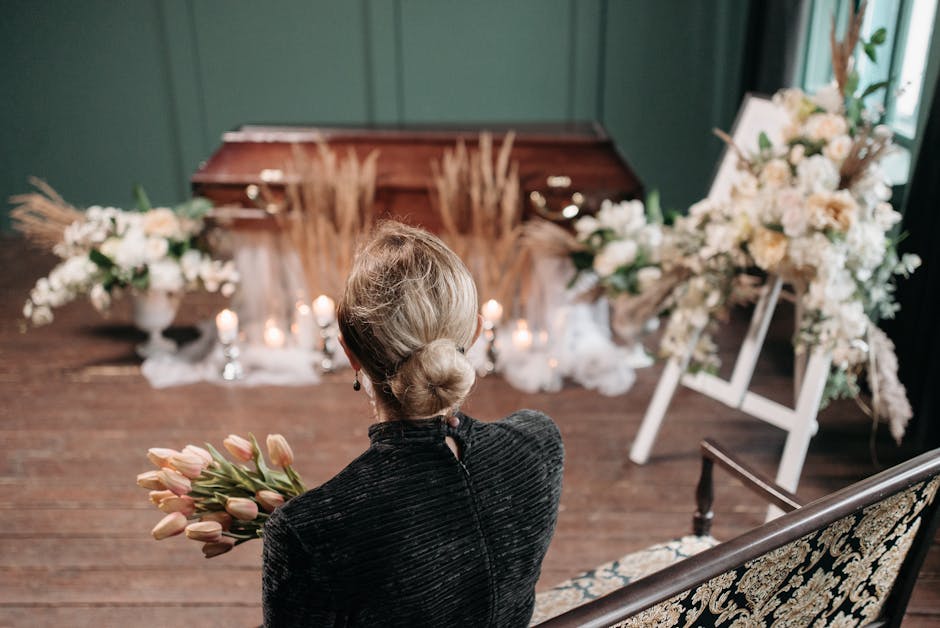
How Florists Source Seasonal UK Flowers for Respectful Tributes
When families ask for a tribute that feels personal, fresh and genuinely thoughtful, florists often turn to seasonal British blooms first. That choice is not just about looks. It is about meaning, timing, reliability and respect. How florists source seasonal UK flowers for respectful tributes is a quiet craft in itself: part grower knowledge, part supply-chain planning, part sensitivity to the moment. In practice, it means selecting flowers that are in season, available from trusted UK growers, and suitable for wreaths, sprays, hearts and letters that need to feel calm, elegant and well considered.
There is also a practical side. Seasonal flowers tend to travel less, open better, and hold their character more naturally. For funeral and remembrance work, that matters. You want the colour to feel soft, the shape to sit properly in foam or moss, and the arrangement to last through a service without fuss. This article walks through how the sourcing process works, why it matters, the mistakes to avoid, and what good florists actually look for behind the scenes. Not glamorous, maybe, but very real.
Why seasonal UK flower sourcing matters
Respectful tributes ask a lot of a florist. They need to look composed, arrive on time, and carry the right tone without feeling overdone. Seasonal flowers help because they usually look more natural, have better stem quality, and are easier to source in the quantities needed for funeral work. That is especially helpful when a family wants something understated rather than lavish. Truth be told, a simple seasonal spray can say more than a heavily styled arrangement ever could.
Seasonality also supports better consistency. A florist working with UK-grown flowers in the right season is less likely to face substitutions that jar with the chosen colour palette. If a design is meant to be white and green, for example, a florist can often lean on seasonal roses, lisianthus, alstroemeria, chrysanthemums, carnations, or foliage depending on the month. The exact mix changes, of course, but the feel remains calm and appropriate.
For memorial work, there is another layer: emotional fit. Families often want flowers that reflect the person being remembered. Maybe that means garden-like blooms because the person loved their allotment, or a softer country style because it feels less formal. Seasonal sourcing gives florists more room to make those choices sensibly. It is not about chasing trends. It is about matching sentiment to what is actually growing well in the UK at the time.
There is also a sustainability angle, which many people now consider carefully. Flowers grown closer to home generally reduce transport distance and can support lower-waste planning. If that matters to you, the sustainability approach on the wider site is a useful place to understand how thoughtful sourcing fits into a responsible business model.
How florists source tribute flowers
The sourcing process usually begins well before a bouquet or wreath is made. Good florists do not wait until the morning of the service and hope for the best. They check seasonal availability, speak to growers or wholesalers, review delivery windows, and map what can be used safely in funeral designs. That sounds dry. It is not. It is the difference between a tribute that feels composed and one that arrives with gaps, bruising or awkward substitutions.
Here is the practical flow in plain English:
- Check the season. A florist looks at what is naturally strong in the UK at that point in the year. Spring may bring narcissi, tulips and ranunculus. Summer gives more garden roses, peonies in short windows, delphiniums and sweet peas. Autumn leans into dahlias, chrysanthemums, berries and textured foliage. Winter is often about evergreens, roses, carnations and strong structure.
- Match the brief. The florist considers the tribute shape, the colour palette, the size and the emotional tone. A horse-shaped tribute for an enthusiast needs different flowers from a modest pillow tribute, even if both are seasonal.
- Source from trusted UK growers or dependable UK supply channels. The best florists build relationships. They need growers who can provide quality, not just volume, and who understand the standard required for delicate memorial work.
- Plan around timing. Funeral flowers often have tight deadlines. A florist checks when the service is, whether the flowers need to travel locally or nationally, and how long the arrangement must stay looking fresh.
- Condition and design. Once stems arrive, they are hydrated, cleaned and graded. Weak stems are removed. Foliage is trimmed. The final tribute is built with structure in mind so it can travel and display properly.
To be fair, the sourcing part can look invisible to the customer. And that is usually a good sign. When it is done well, you notice only the result: flowers that feel balanced, fresh and respectful, not obviously forced.
For customers interested in how arrangements reach them, flower delivery information and the general delivery guidance can be helpful when planning for a service date.
Key benefits and practical advantages
Seasonal UK sourcing is not just a nice idea. It solves real problems for florists and families alike. The benefits are practical, emotional and, yes, financial in many cases.
- Better freshness: UK flowers harvested in season often arrive in stronger condition and open more naturally.
- More appropriate styling: Seasonal blooms help tributes feel in tune with the time of year rather than looking out of place.
- Fewer substitutions: A florist who plans seasonally is less likely to make sudden last-minute changes that alter the design.
- More reliable service timing: Shorter supply chains can reduce the chances of delay, especially important for funeral schedules.
- Lower waste potential: Better planning often means fewer discarded stems and more efficient use of foliage and filler flowers.
- Stronger value: Sometimes seasonal flowers give a fuller look for the budget because the florist is working with abundance, not scarcity.
There is also a subtle emotional benefit that people do not always talk about. Seasonal tribute flowers can feel more natural to the setting. A winter service with pale roses, soft foliage and texture feels very different from a summer farewell with meadow-like stems. Neither is better. But the right seasonal choice can make the tribute feel gently anchored in the moment. That matters, especially when people are already carrying a lot.
Who this is for and when it makes sense
This approach suits a few different people. If you are arranging flowers for a funeral, memorial or celebration of life, seasonal sourcing is often the safest route when you want something tasteful and authentic. It is also a strong option if the person being remembered had a fondness for gardening, country flowers, or a specific time of year. A lot of families choose a floral style that quietly reflects the person rather than shouting about it. That's often the sweet spot.
Florists themselves need this knowledge too. If you are working in a flower shop, seasonal sourcing helps you quote accurately, avoid overpromising, and design with confidence. It also matters for event planners and funeral directors who coordinate floral instructions on behalf of families. A clear understanding of seasonal availability avoids confusion later on, which is handy because grief does not exactly make decision-making easier.
It makes sense whenever the brief calls for one or more of the following:
- a natural, understated tribute
- a specific colour scheme that needs careful sourcing
- flowers that should survive transport to a chapel, crematorium or graveside
- a tribute that reflects the season, such as spring pastels or autumn textures
- a more sustainable, local-minded choice
If you are unsure where to start, a florist's about us page can be a useful indicator of experience, sourcing values and the tone of the business. It sounds basic, but it helps.
Step-by-step guidance
Here is how a careful florist typically handles seasonal UK sourcing for respectful tributes, from first brief to final arrangement.
1. Take a sensitive brief
The florist asks about the person, the service date, the preferred colours, any symbolic flowers, and the style of tribute required. They may ask whether the tribute is for a coffin top, casket spray, wreath, letter, heart or cross. This first stage matters because sourcing decisions depend on the shape and the scale of the design.
2. Check what is genuinely seasonal
Rather than forcing a flower that is technically available but weak, the florist looks for stems that are performing well right now. Seasonal availability can shift quickly in the UK due to weather, which is why good florists keep one eye on what is growing and another on what is in the cold room.
3. Build a flexible design plan
Respectful tributes should look intentional even if one stem family has to be changed. A skilled florist chooses a main flower, a supporting bloom and a foliage structure that can absorb small adjustments without changing the emotional tone of the piece.
4. Confirm delivery and presentation timing
Tributes often need very tight scheduling. Flowers should be delivered fresh enough to open gradually, not so early that they fade before the service. This is why a florist checks route planning, loading times and service schedules carefully.
5. Condition the flowers on arrival
Before design work starts, stems are recut, hydrated and sorted. Any bruised petals, damaged leaves or weak stems are removed. It is careful work, not particularly glamorous, and that's fine. The result is what matters.
6. Assemble the tribute with balance and restraint
The final stage is about proportion. A tribute should look calm from a distance and detailed up close. In respectful funeral work, restraint is often a strength. A little asymmetry can feel natural; too much can look careless. There is a line, and florists learn it by eye.
Expert tips for better results
These are the small decisions that often separate a decent tribute from one that feels quietly exceptional.
- Choose seasonal flowers first, then shape the design around them. This usually produces a more coherent result than trying to force a fixed flower list.
- Ask for a colour mood, not just flower names. Words like soft, traditional, natural, muted or country-style give the florist room to source well.
- Allow for a sensible level of substitution. Seasonal work is most successful when the florist can swap one supporting stem for another without upsetting the tribute.
- Think in textures as well as colours. Petals, foliage, berries and seed heads can add depth without making the design loud.
- Be honest about the service timing. If the flowers need to travel or sit for a while before display, the florist can build for durability.
- Use the season in a respectful way. A spring tribute can feel hopeful, a winter tribute calm and dignified, and an autumn tribute warm without being showy. It does not have to be literal, either.
One small practical observation: when families are undecided, they often relax once they see a shortlist of seasonal options. The pressure eases. Suddenly it is not about choosing from everything imaginable; it is about choosing well from what is actually beautiful right now. That makes a difference.
For care after delivery, the site's flower care guidance can help keep tributes looking fresh for the service and beyond.
Common mistakes to avoid
Seasonal sourcing is straightforward once you understand it, but there are still a few easy traps. Some are small. Some are the kind that cause awkward phone calls nobody wants on the day of a funeral.
- Ordering a highly specific out-of-season flower and expecting a perfect substitute. If peonies are not at their best, you may end up with an arrangement that feels compromised.
- Ignoring the service date and travel time. Flowers that look fine in the morning may not look fine after a long journey and a warm chapel.
- Choosing style over structure. A tribute can be beautiful and still fail if it cannot hold together during transport.
- Giving vague instructions. "Something nice" is lovely in spirit, but not very workable in practice. Better to add tone, colours and any meaningful symbolism.
- Assuming all UK flowers are automatically local. Seasonal and UK-sourced are related, but they are not always identical. A florist should be clear about where stems come from.
- Overcomplicating the brief. For bereavement flowers, simpler is often kinder. Too many competing flower types can blur the message.
It sounds obvious, but one of the biggest mistakes is leaving the order too late. Good florists can work fast, yes. But they still need time to source the right flowers and make sure the tribute is dignified rather than rushed. Last-minute doesn't have to mean bad. It just raises the stakes.
Tools, resources and recommendations
Florists do not rely on guesswork. They usually use a mix of planning tools, direct grower contact and careful internal systems. For customers, the most useful resources are often the plain, practical pages that explain how a business works and what to expect.
- Seasonal planning charts: Used internally by florists to map likely availability month by month.
- Inventory and stem-count notes: Helpful for keeping tribute shapes consistent across multiple orders.
- Delivery and dispatch notes: Important for time-sensitive orders where a service starts early in the day.
- Customer service pages: Useful for clarifying ordering steps, care advice and what happens if something changes.
If you are comparing providers, it is worth looking at the practical parts of the business too: service guarantees, payment information, and returns and refund guidance. These pages tell you a lot about how a florist handles real-world problems, not just how polished the website copy sounds.
For organisations placing repeated orders, corporate accounts can be relevant where funeral directors, care providers or businesses need a smoother ordering process. If you are looking for direct help, the contact page is, naturally, the place to ask about availability or specific tribute needs.
Law, compliance, standards and best practice
In funeral floristry, the legal picture is not usually the headline issue, but there are still standards and duties worth respecting. Florists should handle customer information carefully, present clear terms, and be transparent about what is being supplied, especially where substitutions are possible. If a tribute needs to arrive at a funeral home, church, crematorium or private venue, clear delivery instructions and responsible coordination are part of good practice.
There is also a wider ethical responsibility in sourcing. Many businesses now pay closer attention to supplier conduct, labour practices and environmental choices. A florist's modern slavery statement can be one sign that the business has considered supply-chain responsibility seriously. That matters because flower sourcing can involve multiple stages, and respectful tribute work should sit on a respectful supply chain too.
On the customer side, expect clear wording about ordering cut-offs, payment timing, substitutions and delivery responsibility. If you are placing an order for a service, read the terms carefully. The site's terms and conditions and privacy policy explain how the business handles those basics. Accessibility also matters. Grief does not pair well with confusing websites, so an accessibility statement is a useful sign that the business has thought about ease of use for different customers.
Finally, if you care about responsible sourcing, ask simple questions. Where are the flowers grown? Are substitutions likely? How are deliveries managed? Clear answers are usually a good sign. Vague ones are not. Easy as that.
Options, methods and comparison table
Different sourcing approaches can all work, but they do not serve the same purpose. For respectful tributes, the best option usually depends on the brief, budget and timing.
| Approach | Best for | Strengths | Limitations |
|---|---|---|---|
| Seasonal UK flowers | Natural, respectful tributes with good freshness | Better fit to the season, strong quality, fewer surprises | Some flowers may not be available all year |
| Imported flowers | Very specific colour or flower requests | Wider year-round choice | May need more transport time and can feel less naturally seasonal |
| Mixed sourcing | When a tribute needs a specific feature flower with seasonal support | Flexibility, wider design options | Requires careful coordination to avoid a mismatched look |
| Fully bespoke grower-led sourcing | High-detail tributes or named floral requests | Very tailored result | May need more lead time and usually costs more |
In most everyday funeral orders, seasonal UK sourcing gives the best balance of dignity, reliability and value. Imported flowers are not "wrong", not at all. They simply solve a different problem. The art is knowing which problem you are actually trying to solve.
Case study or real-world example
Consider a family arranging a late-spring service for someone who loved their garden and spent years tending roses, iris and old-fashioned borders. They do not want anything flashy. Just something that feels like the person: calm, soft, and quietly beautiful.
A florist taking that brief would likely begin by looking at the best UK seasonal materials available at the time. Rather than forcing a particular rose variety that is weak or expensive, they might build the tribute around seasonal roses, lisianthus, delicate foliage and one or two supporting flowers with a similar garden feel. If the tribute needs to travel across London before the service, the florist may choose sturdier stems for the outer structure and save the more delicate detail for the centre.
The end result is not a literal copy of a garden border. That would be odd, frankly. Instead, it feels like an echo of the person's taste. The flowers look fresh, the colours sit together naturally, and the tribute remains dignified from the first viewing to the service. A simple approach, but a careful one.
That is the real value of seasonal sourcing. It lets the florist translate memory into flowers without overcomplicating the message.
Practical checklist
Use this checklist when planning a respectful tribute with seasonal UK flowers.
- Confirm the service date and delivery window.
- Decide on the tribute shape: wreath, spray, heart, letter, cross or bespoke design.
- Choose a colour mood rather than too many exact flower names.
- Ask which flowers are genuinely in season in the UK right now.
- Check whether the florist can source locally grown stems where practical.
- Allow for sensible substitutions if a specific stem is not at its best.
- Make sure the design can handle transport and temperature changes.
- Review delivery details carefully, especially for venues with strict timing.
- Ask about care and presentation on arrival.
- Read the ordering terms before confirming, just so there are no surprises later.
Expert summary: the most respectful tribute is not always the most elaborate one. It is usually the one that feels steady, seasonally right and thoughtfully made from flowers that are genuinely ready for the job.
Get a free quote today and see how much you can save.
Conclusion
Seasonal UK flower sourcing is one of those behind-the-scenes disciplines that most people never see, but they absolutely feel the result. It shapes how fresh a tribute looks, how naturally it sits with the season, and how calmly it arrives at a difficult moment. For florists, it means planning with care. For families, it means a tribute that feels honest, gentle and properly considered.
If you remember only one thing, let it be this: respectful funeral flowers do not need to fight the season. They should work with it. That is where the quiet beauty lives.
And if you are making decisions right now, take your time with the brief, trust the florist's seasonal knowledge, and choose the option that feels true rather than hurried. That little bit of calm goes a long way.
Frequently Asked Questions
What does it mean when florists source seasonal UK flowers for respectful tributes?
It means the florist selects flowers that are naturally available and performing well in the UK at the time of the order, then uses them in funeral or memorial designs that feel appropriate, dignified and personal.
Why are seasonal flowers better for funeral tributes?
They are often fresher, more reliable and more in tune with the time of year. That usually means better quality and a more natural look, which suits respectful tribute work very well.
Can a florist still make a bespoke tribute with seasonal flowers?
Yes. In fact, seasonal flowers often make bespoke work better because the florist can shape the design around strong stems and textures rather than forcing out-of-season choices.
What happens if my preferred flower is not in season?
A good florist will suggest a close alternative with a similar colour, shape or feeling. The best substitutions are usually chosen for tone, not just for appearance.
Are UK-grown flowers always the most sustainable choice?
Not always, but they often reduce transport distance and can support more efficient sourcing. Sustainability depends on several factors, including growing methods, logistics and waste management.
How far in advance should I order funeral flowers?
As early as you reasonably can, especially if the tribute is bespoke or needs to arrive at a specific venue and time. Extra lead time gives the florist more room to source the right seasonal stems.
What flowers are usually available in the UK in winter for tributes?
Winter tributes often rely on roses, carnations, chrysanthemums, foliage and strong textural materials. Exact availability changes, so a florist should confirm what is performing well at the time.
Do florists use imported flowers for respectful tributes?
Sometimes, yes. Imported flowers can help with specific requests or out-of-season needs. But many florists prefer to use seasonal UK flowers where possible because they often suit tribute work better.
How can I tell if a florist is sourcing responsibly?
Look for clear information about sourcing, delivery, guarantees, terms and sustainability. A business that explains these things plainly is usually easier to trust than one that stays vague.
What should I ask a florist before ordering tribute flowers?
Ask what is in season, whether substitutions may be needed, how the tribute will be delivered, and whether the design will hold well for the service. Those four questions cover a lot.
Are seasonal tributes cheaper than year-round flower requests?
They can be, but not always. Seasonal sourcing sometimes improves value because the florist is working with flowers that are readily available. Specialist designs, however, may still cost more depending on size and detail.
Can I request a specific colour scheme even if the flowers are seasonal?
Yes, and that is often the best way to brief a florist. Colours are easier to achieve seasonally than exact flower types, and a skilled florist can usually work within a thoughtful palette.
Where can I learn more about ordering and delivery?
The most useful place to start is the florist's own information pages, especially delivery details, flower care, payment, guarantees and contact information. Those pages tell you how the business actually operates, which is what matters when timing is tight.